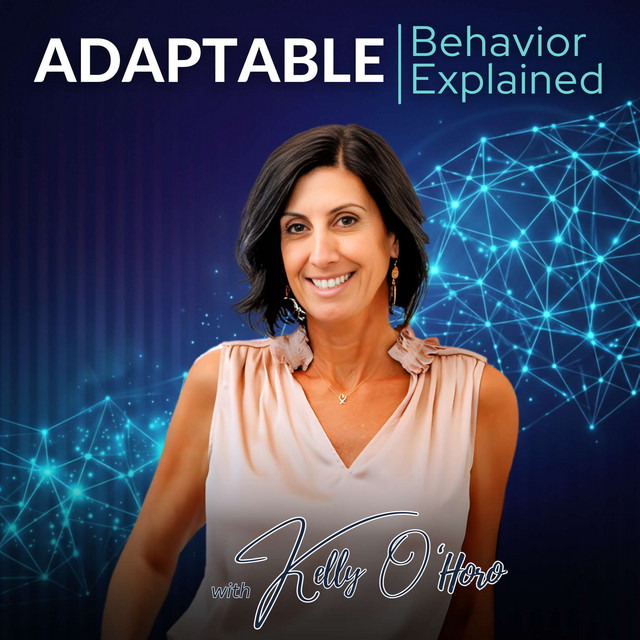
Kelly O’Horo, LPC, has been a therapist since 2010 and fell in love with EMDR therapy as a client first! She is passionate about being a trauma therapist as she has a lot of personal experience with trauma. She is a mother of 5 (four Veterans) and married to a wonderful survivor of C-PTSD, who is now also a counselor. They have 5 grandkids and, as the matriarch of the family, with an enneagram of 2, she is a natural helper and healer.
Kelly believes the therapy office is the classroom for the “life stuff” our clients weren’t taught before, about emotions, coping skills, and developmentally appropriate responses for today. Formerly a public-school educator of 15 years, she enjoys helping clinicians to develop into becoming their best EMDR therapist through the consultation process. Kelly specializes in attachment and implicit trauma and dissociation throughout the lifespan. “The difference between an EMDR therapist that is a carpenter as opposed to a craftsman is rooted in exquisite attunement, excellent consultation, and trust in the process.”
If you’re like most EMDR clinicians I know, this work is deeply meaningful, but it can also feel relentless at times. The pace, the emotional weight, the pressure to always get it right... it adds up.
Sometimes the most helpful thing isn’t a big overhaul, it’s a small shift, a fresh tool, or simply knowing you’re not the only one feeling it.
That’s what this resource is about. It’s a short list of things that have genuinely helped, nothing flashy, just thoughtful tools and ideas that can quietly make the hard days a little easier.
Workflow helpers -
BLS Therapist Genie - BLS Genie is a free tool from Therapist Genie designed to make BLS easy and accessible. With a quick scan of the QR code, users can try the tool right away. It’s simple, convenient, and built to support bilateral stimulation, with additional features like photo and YouTube uploads coming soon.
Positive Affect Tolerance Protocol (PAT) – Developed by Andrew Leeds, this EMDR-based approach helps you support clients who have trouble experiencing positive emotions—especially when early relational trauma or neglect is part of the picture. PAT gives you a structured way to build emotional resilience, improve regulation, and deepen resource work when standard strategies aren’t landing. It fits within EMDR’s 8-phase framework, making it easy to integrate without reinventing your whole process.
That’s it. Nothing revolutionary, just things that might make a few parts of your practice run more smoothly. If one of these helps you reclaim a bit of time, insight, or steadiness, that’s a win.
Thanks for being in this work. Keep taking care of yourself in it.
Getting Started with EMDR Therapy
If you’re a clinician who hasn’t trained in EMDR yet, this is a solid place to begin. The EMDRIA-approved Basic Training with Kelly O’Horo starts this October and is open to licensed professionals, pre-licensed clinicians, and graduate students. It’s offered both in-person (ALL 4 WEEKENDS) in Phoenix, AZ and/or virtually via Microsoft Teams.
The training includes all required consultation hours and covers the full EMDR protocol, with a focus on practical application across the lifespan. Whether you’re joining solo or as part of an agency, group discounts are available.
Kelly O’Horo, LPC, has been a therapist since 2010 and first experienced EMDR as a client. A former educator, she specializes in trauma, attachment, and dissociation, helping clinicians refine their EMDR practice with attunement and trust in the process.
Kelly O’Horo, LPC, has been a therapist since 2010 and fell in love with EMDR therapy as a client first! She is passionate about being a trauma therapist as she has a lot of personal experience with trauma. She is a mother of 5 (four Veterans) and married to a wonderful survivor of C-PTSD, who is now also a counselor. They have 5 grandkids and, as the matriarch of the family, with an enneagram of 2, she is a natural helper and healer.
Kelly believes the therapy office is the classroom for the “life stuff” our clients weren’t taught before, about emotions, coping skills, and developmentally appropriate responses for today. Formerly a public-school educator of 15 years, she enjoys helping clinicians to develop into becoming their best EMDR therapist through the consultation process. Kelly specializes in attachment and implicit trauma and dissociation throughout the lifespan. “The difference between an EMDR therapist that is a carpenter as opposed to a craftsman is rooted in exquisite attunement, excellent consultation, and trust in the process.”